
Your Private Lung Function Lab in the Midlands Area

Lung Heart Diagnostics was established in 2018 with the focus on providing Lung function testing in a safe and timely manner where we offer high-quality diagnostics services.

Why Choose Our
Lung Function Tests?

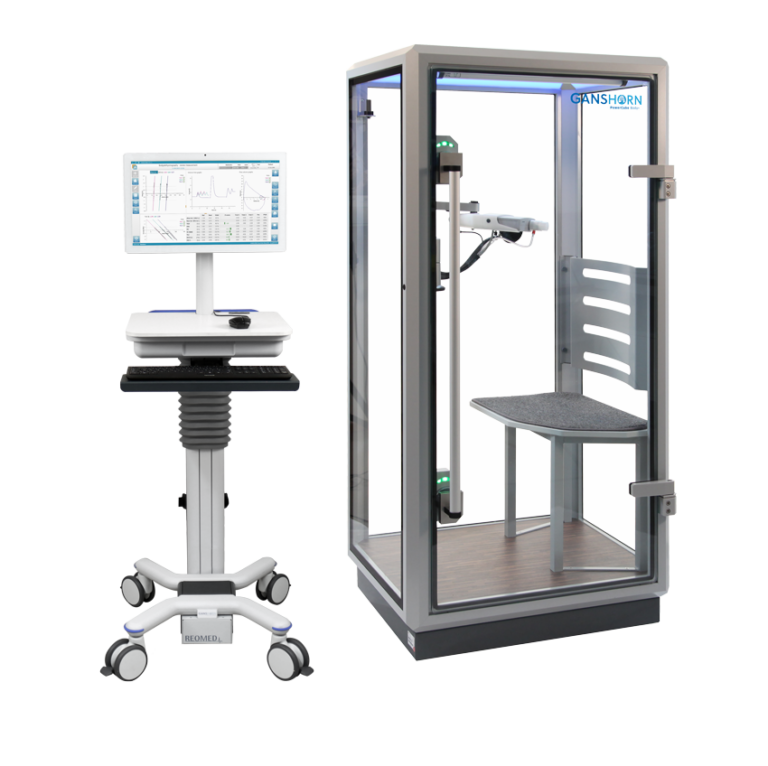
Lung function tests are essential for identifying respiratory issues like asthma, chronic obstructive pulmonary disease (COPD), or other chronic lung conditions. Our experienced healthcare professionals use Ganshorn sytem equipment to assess how well your lungs are working, providing valuable insights into your respiratory health.

We are a Southerncross affiliated provider. 

All of our results are verified by an accredited and respected respiratory consultant, Dr Ron Hayudini Our diagnostic tests and screening processes meet the international guidelines with all results being verified by a New Zealand accredited respiratory consultant, and clinical recommendations are made where applicable. GP’s and Specialists can get tailor-made testing referrals through our contact details provided.

Specialized Assessments for Different Needs

In addition to routine lung-function testing, we offer specialized assessments for:

  • Diving Medicals: Ensuring your respiratory health meets the high demands of underwater activities.
  • Occupational Health Assessments: Tailored evaluations for workers in environments that may pose respiratory risks, for example asthmaor query asthma tests for Fire NZ, NZDF, NZ Airforce and or international  respiratory health clearance.
  • Immigration & Aviation Medicals: Comprehensive testing for individuals requiring medical clearance for travel or work in aviation.
Clinika--Title_facility

Specialities available at Clinika

Donec pulvinar, eros quis convallis vestibulum, neque turpis
iaculis mi, in ultrices nisl magna ut leo.
tabs-image

Cardiology

Duis porttitor, turpis sollicitudin maximus bibendum, eros sapien feugiat magna, id interdum ex justo ut dolor. Nulla facilisis urna sed ipsum euismod porta. Cras maximus commodo purus, eget accumsan purus. Integer semper massa nec lectus blandit malesuada.

View Speciality
tabs-image

Stomatology

Duis porttitor, turpis sollicitudin maximus bibendum, eros sapien feugiat magna, id interdum ex justo ut dolor. Nulla facilisis urna sed ipsum euismod porta. Cras maximus commodo purus, eget accumsan purus. Integer semper massa nec lectus blandit malesuada.

View Speciality
tabs-image

Radiology

Duis porttitor, turpis sollicitudin maximus bibendum, eros sapien feugiat magna, id interdum ex justo ut dolor. Nulla facilisis urna sed ipsum euismod porta. Cras maximus commodo purus, eget accumsan purus. Integer semper massa nec lectus blandit malesuada.

View Speciality
tabs-image

Neurology

Duis porttitor, turpis sollicitudin maximus bibendum, eros sapien feugiat magna, id interdum ex justo ut dolor. Nulla facilisis urna sed ipsum euismod porta. Cras maximus commodo purus, eget accumsan purus. Integer semper massa nec lectus blandit malesuada.

View Speciality
tabs-image

Ophthalmology

Duis porttitor, turpis sollicitudin maximus bibendum, eros sapien feugiat magna, id interdum ex justo ut dolor. Nulla facilisis urna sed ipsum euismod porta. Cras maximus commodo purus, eget accumsan purus. Integer semper massa nec lectus blandit malesuada.

View Speciality


What to Expect During Your Lung Function Test

Our tests are non-invasive and typically take just a few minutes to complete. You’ll be asked to breathe into a machine that measures the volume of air you can inhale and exhale, the speed at which you do soand also pressures are measured. Depending on your symptoms or medical history, additional tests may be recommended.

Services

Lung heart diagnostic ltd provides variable lung function tests tailored to assist clinical diagnosis and manage respiratory conditions. Whether you’re experiencing symptoms such as a persistent cough, wheezing, chest tightness, or shortness of breath, our advanced testing procedures give you a clear picture of your lung health and helps the clinician aid better treatment. The objective is to provide tests that meet the ATS/ERS testing standards.

Spirometry Pre/Post Bronchodilator Reversibility Test

Spirometry is a standard lung function test that measures how much air you can inhale and exhale and how quickly you can do so. The pre/post bronchodilator reversibility test is a type of spirometry used to assess how much improvement in lung function occurs after using a bronchodilator medication (a medication that helps open up the airways).

Purpose of the Test:

This test is primarily used to evaluate whether a patient’s airway obstruction is reversible, which is a hallmark of conditions like asthma and some cases of chronic obstructive pulmonary disease (COPD). By measuring lung function both before and after the administration of a bronchodilator, the test helps determine the degree of reversibility of airway obstruction.

How the Test Works:


  1. Pre-Bronchodilator Spirometry:
    • The patient performs a standard spirometry test without using any medication first. This establishes the baseline lung function.
  2. Administration of Bronchodilator:
    • After the initial spirometry test, the patient is given a bronchodilator (usually an inhaled medication like salbutamol). This medication helps relax and open the airways, improving airflow.
  3. Post-Bronchodilator Spirometry:
    • A second spirometry test is conducted about 15-20 minutes after the bronchodilator is administered. This test measures the improvement in lung function.

Why It’s Done:

  • Diagnosing Asthma and COPD: It helps differentiate asthma from other lung conditions like COPD, as asthma is more likely to show significant reversibility in response to a bronchodilator.
  • Assessing Treatment Effectiveness: It can also be used to assess how well a patient’s asthma or COPD treatment is working, especially if their symptoms or lung function are not well-controlled.
  • Understanding Airway Obstruction: The test helps determine the extent and nature of airway obstruction and whether it can be reversed with medication.

Spirometry Erect/Supine Test

The spirometry erect/supine test measures lung function while the patient is in two different positions: sitting (erect) and lying down (supine). This test is useful for assessing how posture affects lung volumes and airflow, and it is primarily used in cases where there is suspected restrictive lung disease or when postural changes may affect breathing patterns.

Purpose of the Test:

The test helps to evaluate lung volumes and airflow limitations in different positions. Lung function can vary between sitting and lying down, and changes in these positions may help in diagnosing conditions that are influenced by lung volume changes, such as obesity, pleural effusion, diaphragmatic dysfunction, or neuromuscular disorders.

How the Test Works:

  1. Erect (sitting) Spirometry:
    • The patient performs a standard spirometry test while standing. This provides baseline lung function measurements in an upright position, where the lungs typically have the greatest capacity.
  2. Supine (Lying Down) Spirometry:
    • After the standing test, the patient performs spirometry while lying down on their back. This change in posture can affect how air moves through the lungs due to the weight of the abdominal contents pressing against the diaphragm and lungs.

Why It’s Done:

  • Diagnosing Restrictive Lung Disease: Conditions like restrictive lung diseases (e.g., pulmonary fibrosis) can be more pronounced when lying down, and the supine test helps to identify these changes in lung volumes.
  • Identifying Postural Impact on Breathing: This test can help determine if postural changes (such as lying down) exacerbate breathing difficulties, which can occur in obesity, neuromuscular diseases, or diaphragmatic weakness.
  • Evaluating Effect of Gravity: Gravity can influence lung volumes, particularly in the lower lobes of the lungs, and this test helps assess that effect.

Gas Transfer Test (DLCO)

The Gas Transfer Test, also known as Diffusing Capacity for Carbon Monoxide (DLCO), is a non-invasive test used to assess how well the lungs transfer gases (particularly oxygen and carbon dioxide) between the air sacs (alveoli) and the bloodstream. This test provides valuable information about how effectively the lungs are able to exchange gases, which is crucial for diagnosing and monitoring respiratory conditions.

Gas Transfer Test

The primary purpose of the DLCO test is to evaluate the ability of the lungs to transfer carbon monoxide (CO) from the air you breathe into your blood. Since carbon monoxide binds to the hemoglobin in your blood in the same way as oxygen, this test serves as an indirect measure of the lung’s efficiency in gas exchange.

  • Assessing Lung Function: This test is most commonly used to assess restrictive and obstructive lung diseases, as well as conditions affecting the alveolar-capillary membrane (the part of the lungs responsible for gas exchange).
  • Diagnosing Conditions: It helps diagnose diseases like chronic obstructive pulmonary disease (COPD), pulmonary fibrosis, emphysema, and other interstitial lung diseases.
  • Monitoring Disease Progression: It is useful for monitoring the progression of certain lung diseases, particularly those affecting the lung tissue or blood vessels.

How the Test Works:

  1. Preparation:
    • The patient is asked to breathe in a small amount of carbon monoxide mixed with air through a mouthpiece, typically following a normal inspiration.
    • The test is performed while the patient is seated comfortably, and a nose clip is used to prevent air from escaping through the nose.
  2. Breathing Maneuver:
    • After inhaling the test gas, the patient holds their breath for a few seconds, then exhales completely.
    • The concentration of carbon monoxide in the exhaled air is measured to determine how much was absorbed into the bloodstream during the brief period of holding the breath.

Why It’s Done:

  • Diagnosing Lung Diseases: The DLCO test helps detect restrictive lung diseases (e.g., pulmonary fibrosis) and obstructive lung diseases (e.g., COPD), which can affect how well oxygen is transferred from the lungs to the bloodstream.
  • Assessing the Severity of Disease: For patients already diagnosed with certain lung diseases, this test helps measure the severity of the condition and the extent of lung damage.
  • Monitoring Treatment Effectiveness: It can be used to monitor how well treatments (e.g., corticosteroids, oxygen therapy) are helping improve lung function.

Limitations:

  • Patient Factors: The results can be affected by factors such as the patient’s age, height, weight, and lung volume.
  • Medical Conditions: Conditions like anemia (which decreases hemoglobin levels in the blood) can also affect the results, as the test measures how much carbon monoxide binds to hemoglobin.

The Gas Transfer Test (DLCO) is an essential tool for understanding how well the lungs exchange gases, which can aid in diagnosing lung conditions, monitoring disease progression, and assessing the effectiveness of treatments. It provides crucial insights into the health of the alveolar-capillary membrane and the overall efficiency of the respiratory system.

Fractional Exhaled Nitric Oxide (FeNO) Test

The FeNO test is a simple, non-invasive procedure used to measure the level of nitric oxide in your breath. This test is especially useful for assessing airway inflammation, which can be a sign of conditions like asthma. It helps healthcare providers understand how well your airways are functioning and whether inflammation is present, aiding in the diagnosis and management of respiratory conditions.

The FeNO test is designed to measure the level of nitric oxide in your exhaled breath, which is often elevated when there is inflammation in the airways. This inflammation is commonly associated with asthma and can help your doctor adjust your treatment plan for better control of your symptoms. It provides a quantitative measurement of nitric oxide in exhaled air, helping to differentiate asthma from other respiratory conditions and track disease progression.

  • How It Works: You will breathe into a small device called a nitric oxide analyzer. It only takes a few minutes, and there is no pain or discomfort.
  • Purpose: The test helps determine if airway inflammation is present, monitor asthma control, and guide medication adjustments, such as increasing inhaled corticosteroids.

Incorporating the FeNO test into patient care helps improve asthma management, providing a clear picture of airway inflammation and guiding treatment decisions effectively.

Body Plethysmography Test

Body Plethysmography is a highly valuable diagnostic tool in respiratory medicine, particularly when detailed information about lung volumes and airway resistance is required. As you noted, while spirometry is excellent for assessing dynamic lung volumes, it doesn’t provide insights into static lung volumes such as functional residual capacity (FRC), residual volume (RV), total lung capacity (TLC), and other important lung function metrics. Body plethysmography steps in to fill that gap.


What is Body Plethysmography?

  • Body plethysmography is a non-invasive test that measures various static lung volumes, airway resistance, and other vital parameters related to lung function.
  • It is commonly used in conjunction with spirometry to give a more complete picture of lung health.

How Does Body Plethysmography Work?

  1. Procedure:
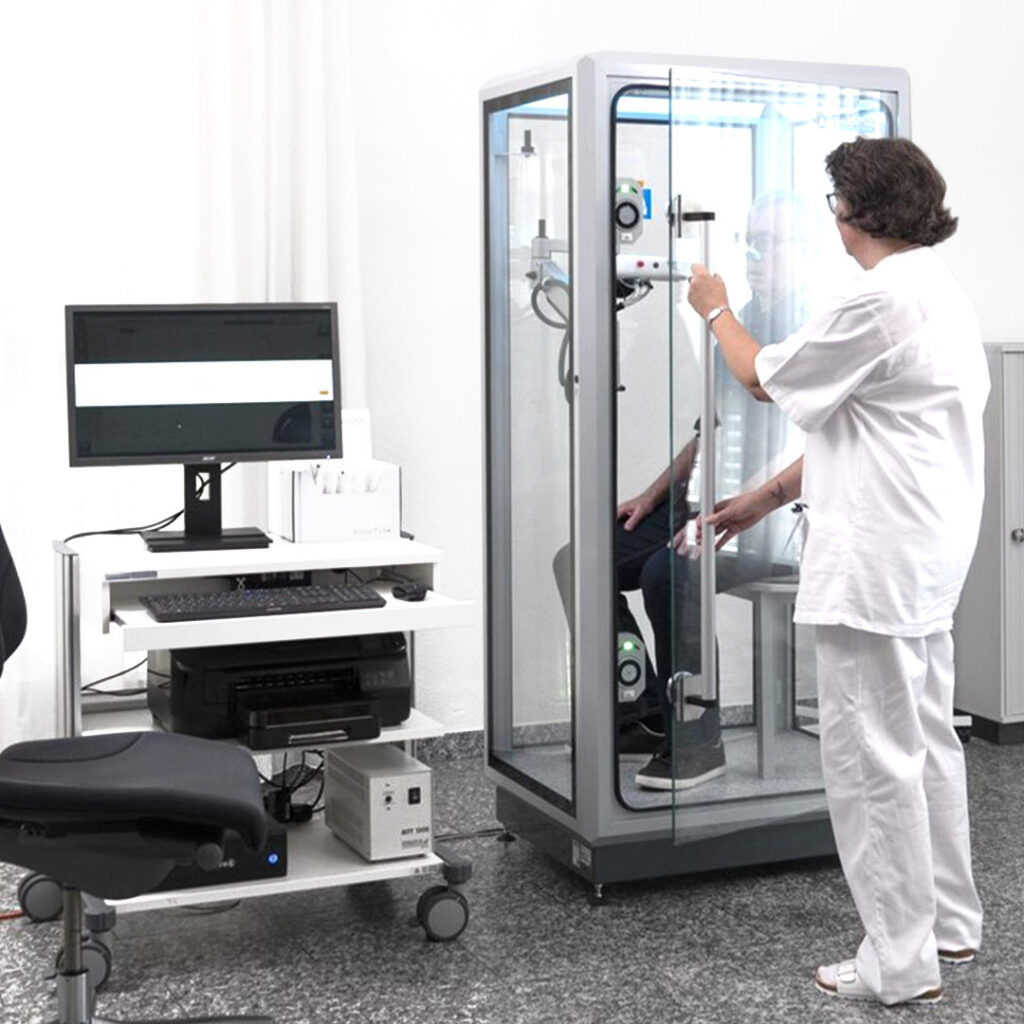
    • The patient sits inside a sealed chamber (often referred to as a “body box”), which is connected to specialized equipment that measures changes in pressure and volume within the chamber.
    • The patient breathes through a mouthpiece while wearing a nose clip to ensure all air flows through the mouth.
    • During the test, the patient will be asked to perform different breathing maneuvers, typically involving normal breathing, deep breathing, and sometimes panting or holding their breath.
    • The body box allows the measurement of how lung volumes change relative to pressure changes in the chamber, providing valuable information about the lungs’ static volumes.
  2. Measurements Obtained:
    • Total Lung Capacity (TLC): The maximum volume of air the lungs can hold after a deep inhalation.
    • Functional Residual Capacity (FRC): The volume of air remaining in the lungs after normal exhalation.
    • Residual Volume (RV): The volume of air remaining in the lungs after a maximal exhalation (the air that cannot be exhaled).
    • Intrathoracic Gas Volume (ITGV): The volume of air within the chest cavity, including air in the lungs and airways.
    • Specific Airway Resistance (sRaw) and Specific Airway Conductance (sGaw): These measure the resistance and conductance in the airways, which can be indicative of airway obstruction or narrowing.

Why is Body Plethysmography Important?

  • Gold Standard for Lung Volume Measurements: Body plethysmography is considered the gold standard for measuring total lung capacity (TLC) and functional residual capacity (FRC), which cannot be accurately measured with spirometry alone.
  • Comprehensive Lung Function: This test provides detailed information about lung volumes, airway resistance, and gas distribution within the lungs, which helps in understanding the overall health and efficiency of the lungs.
  • Diagnosing Respiratory Conditions: Body plethysmography is crucial in diagnosing and monitoring conditions like:
    • Asthma: Helps in assessing airway resistance and lung volumes during exacerbations.
    • Chronic Obstructive Pulmonary Disease (COPD): Provides valuable data about lung function, particularly in severe cases where air trapping and hyperinflation may be present.
    • Pulmonary Fibrosis: Measures lung volumes to assess restrictive lung diseases.
  • Pre-Operative Assessments: Helps in assessing lung function before surgery, especially for patients with pre-existing lung conditions who might be at higher risk during anesthesia or post-operative recovery.

Advantages of Body Plethysmography:

  • Non-Invasive: The procedure is painless and does not require surgery or the insertion of any instruments into the body.
  • Detailed Information: It gives more comprehensive information compared to spirometry, making it ideal for diagnosing complex or severe respiratory conditions.

Limitations:

  • Time and Equipment: The test requires a specialized body box, and it can take more time than spirometry.
  • Patient Cooperation: The test requires the patient to follow specific breathing maneuvers, which may be challenging for some individuals (e.g., children or those with severe respiratory distress).

Overall, body plethysmography is an essential tool in respiratory care, providing key insights into lung volumes and airway resistance that are vital for diagnosing and managing conditions like asthma, COPD, pulmonary fibrosis, and other pulmonary diseases.

Static Mouth Pressures (MIPs/MEPs)

Purpose of the Test:

  • Assess Respiratory Muscle Strength: The test measures the maximum pressures the patient can generate when breathing in or out against a resistance. This helps evaluate both inspiratory (MIP) and expiratory (MEP) pressures.
  • Diagnosing and Monitoring: It’s often used to assess and monitor patients with respiratory conditions that affect the strength of breathing muscles, such as neuromuscular disorders or lung diseases or diaphragmatic muscle effect.

Test Procedure:

  1. Preparation:
    • The patient wears a nose peg to ensure that all the airflow occurs only through the mouth, preventing air from escaping through the nose.
    • A mouthpiece is used to facilitate the breathing, which is usually connected to a pressure measurement device.
  2. Test Actions:
    • The patient is asked to breathe in or out against a resistance. The specific direction of airflow (inhalation or exhalation) depends on whether the test is assessing inspiratory muscle strength or expiratory muscle strength:
      • Inspiratory Pressure: The patient inhales forcefully against the resistance.
      • Expiratory Pressure: The patient exhales forcefully against the resistance.
    • This is done for a few seconds to generate the maximum pressure that can be sustained.
  3. Test Duration:
    • The entire test lasts about 30 seconds.
    • The test is repeated multiple times (typically three trials) to obtain consistent results.
  4. Objective:
    • The goal is to assess the maximum inspiratory pressure (MIP) and maximum expiratory pressure (MEP) that the patient can generate. The strength of the respiratory muscles is indicated by the pressure values, and consistent results help validate the test’s accuracy.

By evaluating the static mouth pressures, this test provides valuable information about the strength of the respiratory muscles, which can aid in diagnosing and managing conditions affecting breathing.

Hypertonic Saline Bronchoprovocation Test

A bronchial provocation test using saline aerosol to evaluate bronchial hyper-responsiveness, commonly used in diagnosing asthma or assessing the severity of the condition.

Here’s a clearer breakdown of what the test involves based on the description:

  1. Baseline Spirometry: Before beginning the test, spirometry is conducted to establish the patient’s lung function at rest.
  2. Saline Inhalation: The patient inhales saline mist through a nebulizer, which gradually increases in duration to expose the lungs to different levels of the mist:
    • First level: 30 seconds
    • Second level: 1 minute
    • Third level: 2 minutes
    • Fourth level: 4 minutes
    • Fifth level: 8 minutes
  3. Monitoring Spirometry: After each inhalation, spirometry is performed to assess lung function. If there is a decrease of 15% or more in lung function, the test is immediately halted.
  4. Reversal of Effects: If the lung function decreases significantly, Salbutamol (a bronchodilator) is administered via a Metered Dose Inhaler (MDI) with a spacer to reverse the bronchoconstriction caused by the saline.
  5. Test Duration: The entire test usually lasts about 15.5 minutes, depending on the individual responses to the saline doses.

This test is a standard way of assessing the airway’s sensitivity and helps healthcare providers diagnose asthma and understand its severity.

6-minute walk test (6MWT) - On and Off Oxygen

The 6-minute walk test (6MWT) is a practical assessment used to measure the functional capacity of patients, particularly those with heart or lung conditions. This is also available On Oxygen and Off Oxygen where required by your specialist.

Here’s a breakdown of the test process:

Purpose of the Test:

  • The primary goal is to assess how far a patient can walk in 6 minutes, which reflects their functional exercise capacity, while monitoring oxygen saturation and heart rate during this exercise period. 
  • Breathlessness is also monitored using BORG scale method. 
  • This test is also useful in finding out if supplementary oxygen is required during physical activity.
  • It is especially useful for evaluating patients with moderate to severe heart or lung conditions.

Test Procedure:

  1. Explanation and Preparation:
    • Before starting the test, a physiologist explains the route for the walk to ensure the patient understands where they will be walking and the conditions.
    • The patient is asked to walk continuously for 6 minutes, aiming to cover as much distance as possible.
  2. Environment:
    • The walk is  done outdoors in a corridor.
    • The route is generally flat and free of obstacles.
  3. Monitoring:
    • Oxygen saturation (SpO2) and heart rate are continuously monitored during the test to ensure the patient is not experiencing excessive strain.
  4. Patient Objective:
    • The patient is encouraged to walk as far as they can during the 6 minutes, with the goal of covering the greatest possible distance.

Overall, the 6MWT is a valuable tool for assessing a patient’s physical capabilities in a straightforward, non-invasive manner. 

How to Get Started

If you’re experiencing symptoms or need a professional assessment for diving, work, or travel, contact us today to find out how to arrange an  appointment with us. We need a referral from your doctor to give us detailed information on what we are trying to investigate. This ensures that unnecessary risks are avoided and also only tests required are completed.

 We’re here to ensure your lung health is fully evaluated, so you can breathe easier knowing you’re in good hands.

Staff Members

Meet our staff and visit us for your diagnostics needs!

Web - priya

Priya Pattni

Clinical Physiologist CRFS

Priya is a clinical physiologist who specializes in comprehensive lung function tests.

dr-ron-hayudini

Dr Ron Hayudini

BSc. MD. MPH. FRACP
Respiratory & Sleep Physician

Dr Ron Hayudini is a Respiratory and Sleep Physician. He specialises in respiratory medicine which includes asthma, COPD, bronchiesctasis, tuberculosis and other respiratory diseases.

Mary

Mary Lyall-Brennan

Medical Administrator

Oplus_131104

Christina McNab

Medical Administrator

Our Locations

Hamilton Lab

the Unit 7, 9 Lynden Court
Chartwell
Hamilton 3214
Located in the same building as asthma Waikato.

Tauranga Lab

36 Burrows Street,
Tauranga South,
Tauranga 3112
Located in the same building as Macmurray Gastroenterology and Endoscopy Centre Tauranga

Book Your Lung Function Test Today!

Appointment by referral only. As all lung function tests are diagnostics tests, a referral needs to be made by your doctor or specialist.

info@lungheartdiagnostics.co.nz

or

admin@lungheartdiagnostics.co.nz

Thoughts from our best
pacient’s experience

Aenean volutpat, sem sit amet ullamcoer gravida, molestie risus enim nulla. Pellentesqu velit faucibus kodale dolor rhoncu. Curabituring laciniam efficitur porttitor. Predefined chuniks.
Clinika--Title_partner

Our Brand Partners

A team of expert doctors that are leading our clinic! Meet our staff
and visit us for your next problem!

© Lung Heart Diagnostics. All rights Reserved. Website by The Web Guys

© Lung Heart Diagnostics. All rights Reserved.
Website by The Web Guys